Systems That Start Every Time You Turn the Key
Electrical & Battery Services in Belgrade for vehicles with slow cranking, flickering lights, or intermittent starting failures
When your starter cranks slowly on cold mornings or dashboard lights dim unpredictably, the issue often traces to battery capacity loss, corroded connections, or faults within the charging system that prevent adequate voltage delivery. Ray's Automotive & Diesel Repair performs battery testing, electrical diagnostics, and component replacement to restore reliable starting and system operation across all vehicle makes and models in Belgrade. The service addresses starting failures, malfunctioning lights, faulty switches, and wiring issues that disrupt everything from power windows to fuel pump operation, using diagnostic tools that measure voltage drop and current flow throughout the electrical system.
Battery testing reveals whether the issue is a cell failure within the battery itself, insufficient alternator output, or parasitic drain from a component that continues drawing power when the vehicle is off. Electrical diagnostics involve tracing circuits to locate shorts, opens, or resistance that prevents proper component function. Montana's temperature swings place additional stress on batteries, as cold weather reduces available cranking amperage and heat accelerates internal degradation.
Request an electrical system check to identify what's preventing consistent starting or causing electrical malfunctions.
How Electrical Diagnostics Address System Failures
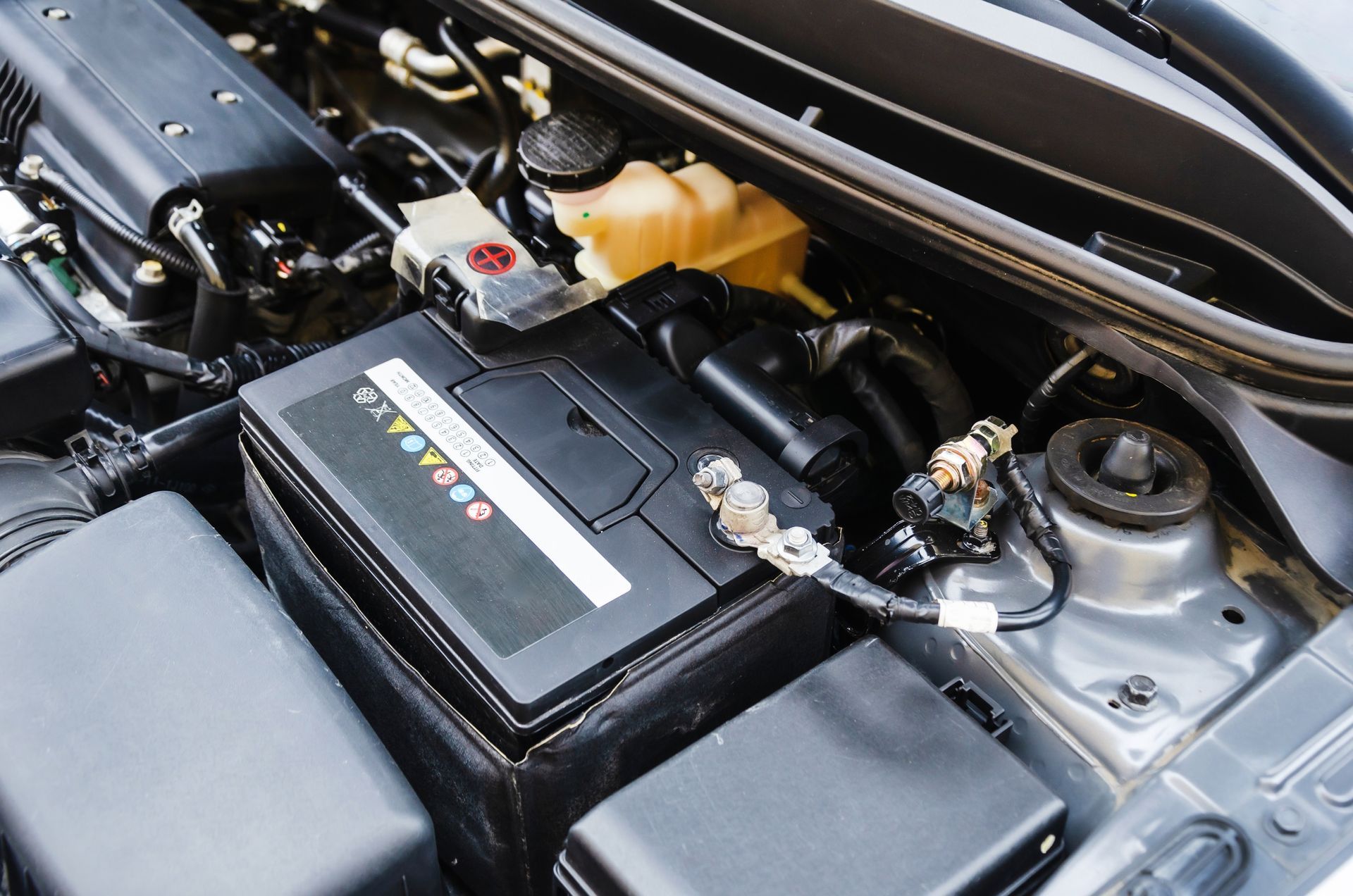
Diagnosis begins with battery load testing to confirm whether it can deliver the required cold cranking amps, followed by alternator output measurement to verify charging voltage remains within the correct range under load. Modern diagnostic scanners read system data to identify fault codes stored by the vehicle's computer, while multimeters measure voltage and resistance at individual components to locate exactly where electrical flow is interrupted or degraded.
Once repairs are completed, you'll notice the engine cranks at normal speed regardless of temperature, lights maintain consistent brightness during idle and acceleration, and accessories function without flickering or cutting out. The charging system delivers stable voltage that keeps the battery fully charged during operation, which means you no longer experience the hesitation or failure that occurs when a weak battery struggles to power the starter motor and ignition system simultaneously.
The service includes replacement of batteries that fail load testing, correction of corroded or loose terminals that create resistance, and repair of alternator or starter components when output or draw measurements fall outside specification. Some electrical problems require detailed circuit tracing when symptoms are intermittent, involving inspection of wiring harnesses for damage, moisture intrusion, or connector corrosion that disrupts signal or power delivery.
Answers to Frequent Service Questions
Electrical system work often raises questions about how components interact and what causes specific failure patterns in vehicles.
What causes a battery to fail prematurely?
Battery life is shortened by repeated deep discharge cycles, heat exposure that accelerates fluid evaporation, vibration from loose mounting, or a failing alternator that forces the battery to supply power without adequate recharging between drives.
How is a parasitic drain diagnosed?
Parasitic drain testing involves connecting an ammeter in series with the battery cable and monitoring current draw with all systems off, then systematically removing fuses to isolate which circuit continues drawing power above the acceptable threshold of typically around 50 milliamps.
When should an alternator be replaced versus repaired?
Alternators are evaluated based on output voltage and amperage under load, and replacement is recommended when internal diodes fail, bearings seize, or the voltage regulator no longer maintains proper charging range, as these failures typically affect core components not economically rebuildable.
What does a slow crank indicate about the electrical system?
Slow cranking points to either insufficient battery capacity, high resistance in the starter circuit from corroded cables or connections, or mechanical drag within the starter motor itself, and diagnosis requires measuring voltage drop across each section of the starting circuit under load.
How do electrical issues differ in diesel versus gas engines?
Diesel engines require significantly higher cranking amperage due to compression ratios, making battery condition and cable integrity more critical in Belgrade's winter conditions, and glow plug circuit failures create additional no-start scenarios not present in gasoline engines.
Ray's Automotive & Diesel Repair uses voltage measurements and circuit analysis to pinpoint electrical faults rather than replacing parts based on guesswork. Schedule a diagnostic appointment to resolve starting or electrical system issues affecting your vehicle in Belgrade.