
Climate Control Built for Montana Weather
Heating & Air Conditioning (HVAC) Repair in Belgrade for vehicles with weak airflow, inconsistent temperature output, or complete system failure
Montana's temperature extremes make HVAC performance critical, whether you're clearing frost from winter windshields or maintaining cabin comfort during summer heat. When your heater struggles to defrost windows or the air conditioning blows warm air instead of cold, the problem typically involves refrigerant loss, blower motor failure, or control system faults that prevent proper temperature regulation. Ray's Automotive & Diesel Repair diagnoses and repairs heating and air conditioning systems across all vehicle types, addressing refrigerant leaks, airflow restrictions, blend door malfunctions, and compressor failures that leave you without functional climate control.
AC diagnostics involve checking system pressures to determine whether refrigerant levels are adequate, inspecting compressor engagement, and testing for leaks at hose connections, the condenser, or evaporator core. Heater problems are traced to low coolant levels, clogged heater cores that restrict hot coolant flow, or blend door actuators that fail to direct airflow through the correct temperature zones. Airflow issues often result from blower motor failure, cabin air filter blockage, or obstructions in ductwork.
Schedule HVAC service to restore heating or cooling function before seasonal temperature demands increase.
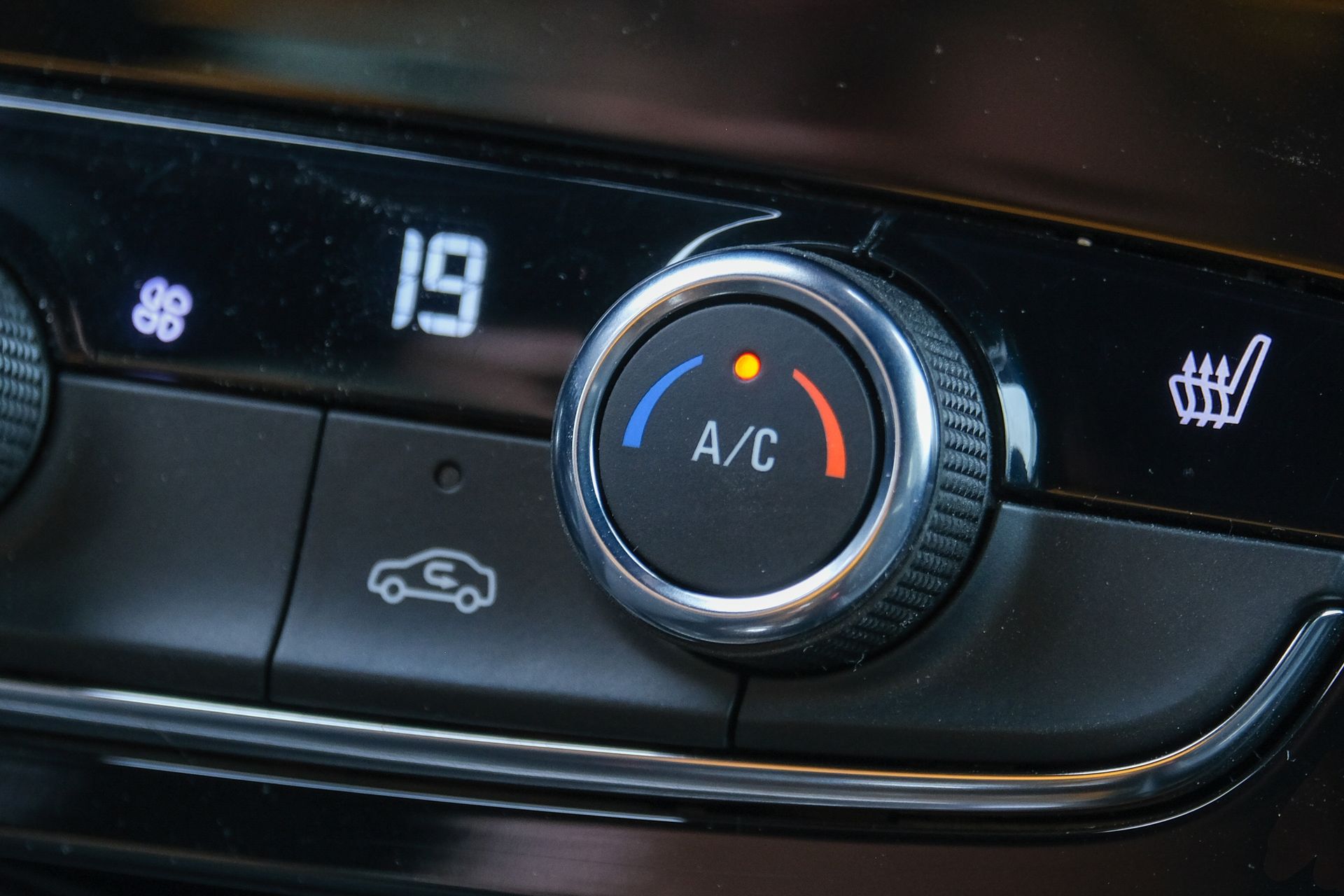
What Changes After HVAC Systems Are Repaired
The repair process begins with measuring manifold pressures on the AC side to assess compressor function and refrigerant charge, while heater diagnosis involves monitoring coolant temperature and airflow at the vents. When refrigerant leaks are identified, the system is evacuated, the leaking component is replaced or sealed, and refrigerant is recharged to manufacturer specifications using recovery and charging equipment that ensures accurate fill levels.
After HVAC repairs are finished, air conditioning delivers consistently cold output at all fan speeds, typically reaching vent temperatures in the 40-degree range, while heating provides sufficient warmth to defrost windows quickly and maintain comfortable cabin temperature even during idling. The blower motor operates quietly across all speed settings without vibration or irregular airflow, and temperature adjustments produce immediate, noticeable changes as blend doors redirect air through the appropriate heat exchanger.
Seasonal service before summer or winter helps identify developing issues like slow refrigerant leaks or partially restricted heater cores before they result in complete system failure. Some repairs involve replacement of multiple components when a failing compressor has introduced debris into the AC lines, requiring flushing to prevent damage to the new compressor. Heater core replacement is labor-intensive due to dashboard disassembly requirements but becomes necessary when internal leaks cause coolant odor or windshield fogging that doesn't clear with defrost operation.
Common Questions About This Service
HVAC work often involves questions about system function, leak detection, and seasonal maintenance that affects performance during Belgrade's temperature swings.
What causes air conditioning to stop blowing cold air?
AC cooling loss typically results from refrigerant leaks at hose connections or component seals, compressor clutch failure that prevents engagement, or electrical faults in pressure switches that disable the system as a protective measure when pressures fall outside safe operating range.
How are refrigerant leaks located in an AC system?
Leaks are found using electronic detectors that sense refrigerant vapor, UV dye that's added to the system and viewed under black light at leak points, or by monitoring pressure decay after the system is charged and observing where refrigerant escapes over time.
When should cabin air filters be replaced during HVAC service?
Cabin filters are inspected and replaced when debris buildup restricts airflow noticeably, typically every 15,000 to 30,000 miles depending on driving conditions, as clogged filters force the blower motor to work harder and reduce vent output even when the HVAC system is otherwise functioning correctly.
What does weak airflow from the vents indicate?
Weak airflow points to a failing blower motor, clogged cabin air filter, disconnected or collapsed ductwork, or a resistor pack failure that limits blower speed operation, and diagnosis involves checking power delivery to the motor and inspecting the air intake path for obstructions.
How does Montana's climate affect HVAC component lifespan?
Temperature cycling between cold winters and warm summers stresses seals and hoses, causing refrigerant leaks to develop more frequently, while heating system components see extended seasonal use that accelerates wear on blend door actuators and blower motors compared to milder climates.
Ray's Automotive & Diesel Repair provides detailed HVAC diagnostics to identify whether your climate control issue involves the heating side, cooling side, or airflow delivery system. Contact the shop in Belgrade to arrange service that restores cabin comfort for all weather conditions.