Reliable Power Without Overheating or Stalling
Engine Repair & Replacement in Belgrade for misfires, overheating, oil consumption, and loss of power
A cylinder misfire caused by a failed ignition coil reduces fuel economy and sends unburned fuel into the catalytic converter, which can overheat and fail if the misfire continues for more than a few drive cycles. The shop diagnoses whether rough idle, hesitation, or loss of power stems from ignition components, fuel delivery problems, or internal engine wear like valve seal deterioration or piston ring failure. Ray's Automotive & Diesel Repair uses compression testing, leak-down testing, and cylinder balance analysis to determine whether your engine needs a minor repair such as spark plug replacement or a major intervention like head gasket service or complete engine replacement.
Engine services range from timing belt replacement and valve adjustments to cylinder head rebuilds and full engine swaps, with recommendations based on repair cost versus vehicle value and expected remaining lifespan. Cold Montana winters amplify wear on engine seals and gaskets, while high-altitude operation in surrounding mountain areas exposes weaknesses in air-fuel metering and ignition timing that manifest as performance loss or warning lights.
Schedule an engine inspection to identify the source of performance issues before internal damage progresses beyond economical repair.
What Proper Engine Repair Requires
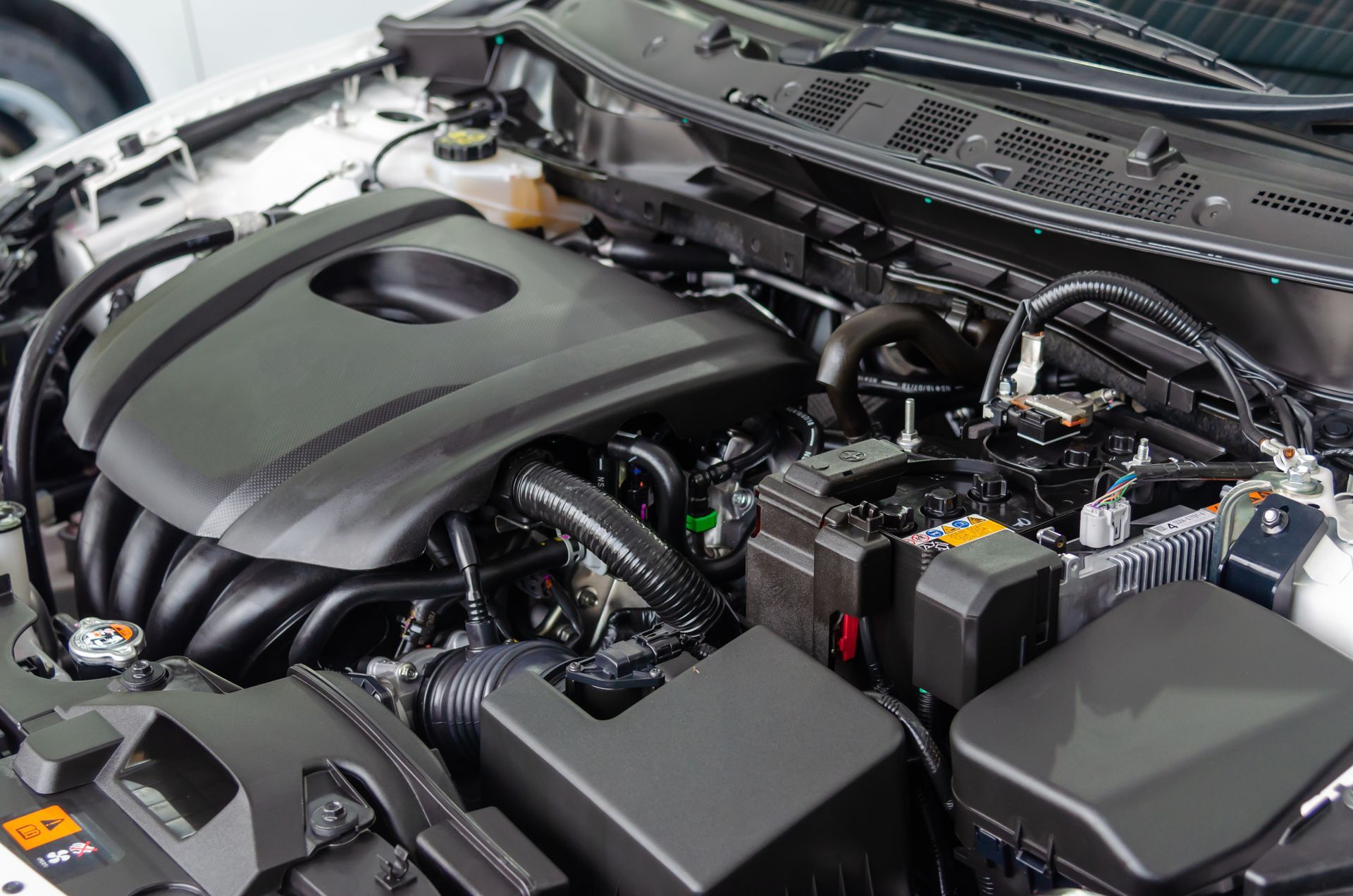
Engine diagnostics involve reading fault codes, performing cylinder compression tests to measure sealing integrity, and observing exhaust color and smoke patterns that reveal oil burning or coolant intrusion into combustion chambers. Technicians use borescope inspection through spark plug holes to view piston tops and valve surfaces for carbon buildup or physical damage without disassembling the engine, saving diagnostic time and cost.
Once repairs are completed—whether replacing a head gasket that was leaking coolant into the oil or installing a remanufactured engine in place of one with spun bearings—you notice restored throttle response, elimination of rough idle, stable operating temperature, and the absence of warning lights. Oil consumption drops to normal levels, coolant stops disappearing from the reservoir, and exhaust smoke clears up as combustion sealing is restored.
The decision between repairing and replacing an engine depends on the extent of internal damage, availability of parts for older or uncommon models, and whether other vehicle systems justify the investment. A remanufactured engine includes updated components that address known failure points in the original design and comes with a warranty that provides assurance of reliability after installation.
Answers to Frequent Engine Service Questions
Vehicle owners facing engine problems typically want to understand diagnostic procedures, repair options, and what determines the best course of action.
What does a compression test reveal about engine condition?
A compression test measures the pressure each cylinder generates during the compression stroke, with low readings indicating worn piston rings, leaking valves, or head gasket failure, while a leak-down test pinpoints where the pressure is escaping by introducing compressed air and listening for leaks at the intake, exhaust, or crankcase.
How do you decide between repair and replacement?
The decision depends on the cost of repair relative to engine replacement, the vehicle's overall condition and mileage, and whether additional problems are likely to appear soon, with high-mileage engines showing wear in multiple systems often being better candidates for replacement than isolated repairs.
Why does my engine overheat only in certain conditions?
Overheating that occurs during highway driving but not around town often points to a failing radiator or restricted coolant flow, while overheating at idle suggests a faulty thermostat or inoperative cooling fan, requiring specific testing to isolate the component that isn't performing under load in Belgrade's summer heat.
What causes excessive oil consumption without visible leaks?
Oil consumption without external leaks typically results from worn valve seals that allow oil into the combustion chamber during engine deceleration, or worn piston rings that let oil pass into the combustion area during all operating conditions, both producing blue-gray exhaust smoke.
How long does an engine replacement take?
A complete engine replacement generally requires two to four days depending on vehicle design and whether additional components like motor mounts, hoses, and belts need replacement during the swap, with time also needed for post-installation checks and test driving to verify proper operation.
Ray's Automotive & Diesel Repair provides transparent assessments of engine condition and repair costs so you can make informed decisions about whether to invest in your current vehicle or consider replacement. Contact the shop to arrange an engine evaluation that clarifies your options and expected outcomes.