Shifts That Work Without Slipping or Delay
Transmission Repair & Service in Belgrade for hard shifting, slipping gears, fluid leaks, and delayed engagement
Transmission fluid that turns dark brown or smells burnt indicates overheating or clutch material deterioration inside the transmission, conditions that cause slipping between gears and eventual loss of drive if ignored. Technicians at Ray's Automotive & Diesel Repair perform fluid analysis, pressure testing, and scan tool diagnostics to determine whether your transmission needs a fluid exchange, external seal replacement, or internal rebuild to restore proper shift timing and torque transfer. You receive clear information about what's failing, what repair options exist, and how different service levels affect long-term reliability.
Transmission services include diagnostics for shifting problems and warning lights, fluid and filter changes at manufacturer-specified intervals, leak repairs on seals and gaskets, and major repairs ranging from valve body replacement to complete transmission rebuilds or replacements. Preventative fluid service removes metal particles and clutch material suspended in old fluid before they circulate through valve bodies and damage solenoids, extending transmission life significantly compared to never-serviced units.
Arrange a transmission service appointment to address shifting concerns or perform scheduled maintenance that prevents expensive failures.
How Transmission Service Extends Drivetrain Life
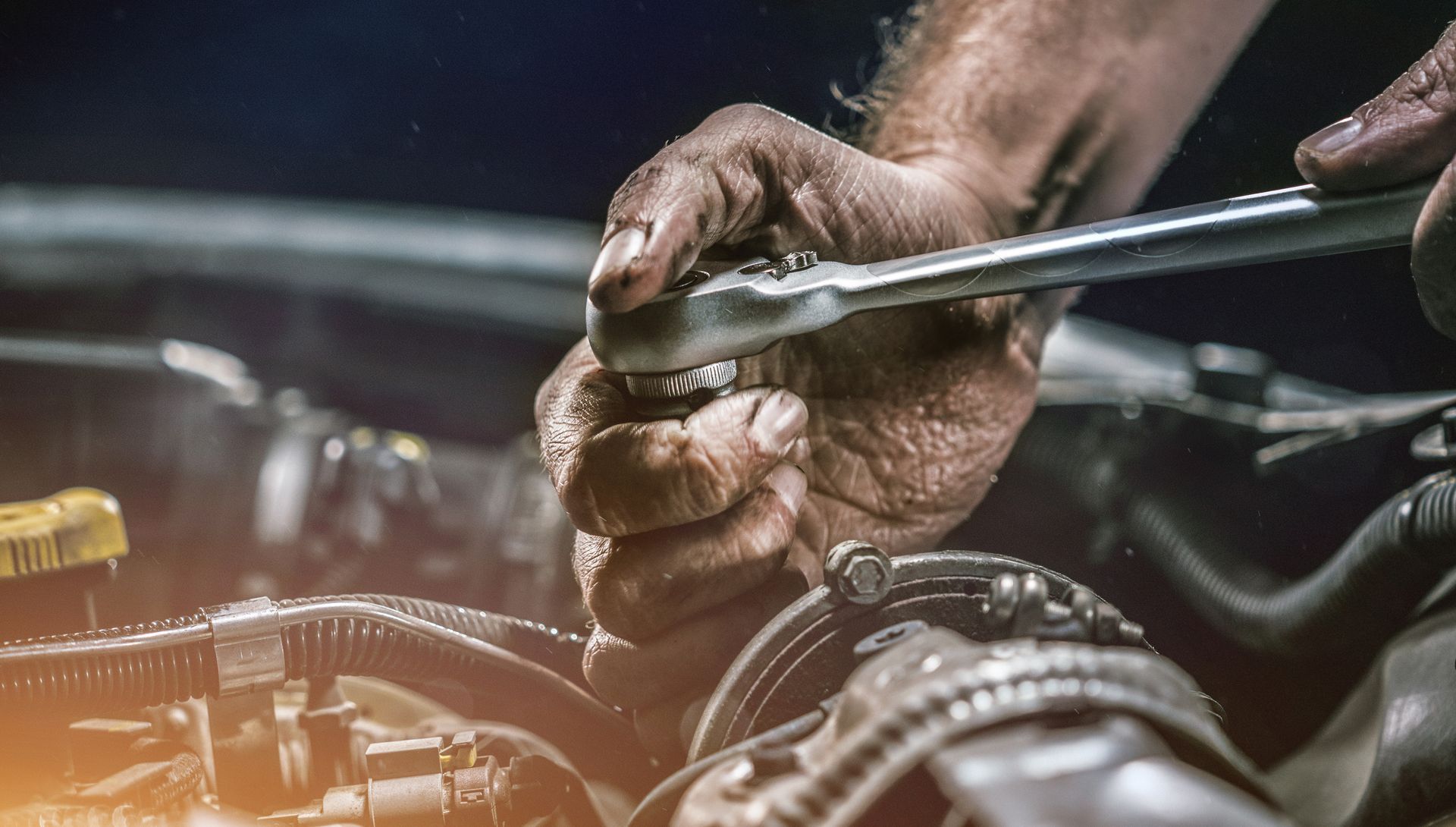
The service process begins with scanning for transmission fault codes, checking fluid level and condition, and road testing to observe shift quality, timing, and any slipping under load. Technicians measure line pressure with a gauge connected to test ports to verify the hydraulic pump and pressure regulator are generating sufficient force to engage clutch packs firmly, with low pressure indicating internal wear that requires disassembly and rebuild.
After fluid service, seal replacement, or internal repairs, you notice crisp shifts without flare or delay, elimination of shuddering during torque converter lockup, and stable engagement when shifting from park to drive. Transmission temperature stays within normal range during towing or mountain driving, and the unit no longer slips out of gear under acceleration or hunts between gears on the highway.
Transmission work also involves inspecting the cooler lines and external cooler for restrictions that cause overheating, the condition of motor and transmission mounts that affect drivetrain alignment, and the operation of the torque converter clutch that locks the converter for improved fuel economy at cruising speeds. Addressing leaks early prevents fluid loss that leads to overheating and internal damage costing thousands more than a simple gasket replacement.
What Property Owners Usually Ask
Drivers dealing with transmission issues want to understand service intervals, warning signs, and what different repair options involve.
What causes a transmission to slip between gears?
Slipping occurs when clutch packs inside the transmission lose their ability to hold under load due to worn friction material, low hydraulic pressure from a failing pump, or contaminated fluid that reduces friction coefficient, all of which allow engine RPM to rise without corresponding vehicle speed increase.
How often should transmission fluid be changed?
Most manufacturers recommend fluid service every 30,000 to 60,000 miles depending on driving conditions, with severe service like towing, mountain driving, or frequent stop-and-go traffic in Belgrade requiring more frequent changes to remove heat-damaged fluid and accumulated debris before they cause valve body sticking.
Why does my transmission shift hard when cold?
Hard shifts during cold weather often result from thick fluid that hasn't reached operating temperature and flows sluggishly through valve body passages, though persistent hard shifting after warm-up indicates worn accumulator springs or pressure control solenoids that need replacement to restore smooth engagement.
What's included in a transmission rebuild?
A rebuild involves disassembling the transmission, inspecting all internal components, replacing worn clutch packs and seals, checking gear and bearing surfaces for damage, installing updated parts that address known failure points, and reassembling with precise clearances and torque specifications to restore factory performance.
When should I consider replacement instead of repair?
Replacement becomes the better option when internal damage is extensive, parts availability for older transmissions is limited, or the cost of rebuilding approaches the price of a remanufactured unit that includes a warranty and updated components designed to outlast the original transmission.
Ray's Automotive & Diesel Repair handles both routine transmission maintenance and major repairs using diagnostic procedures that identify the specific cause of shifting problems rather than recommending unnecessary service. Set up a transmission evaluation to determine current condition and appropriate service level for your vehicle's needs.